
Health
Reasons for Teenagers to Wait Until 18 to Have Sex.


Negative Health Consequences
Early sexual initiation (before age 15) is linked to a higher risk of sexually transmitted infections (STIs), including HIV/AIDS
Teenagers who have sex at an early age are more likely to have multiple sexual partners and engage in unprotected sex, increasing STI risk
Early pregnancy can lead to complications for the teenage mother and child, and is the second leading cause of death for girls aged 15-19
Emotional and Social Impacts
Teens who have sex at an early age may be more likely to exhibit delinquent behaviors like emotional problems, substance abuse, and criminality later in life
Early sexual activity can lead to feelings of shame, regret, and vulnerability
Maintaining a good reputation is important for girls to have a chance at a “good” marriage in the future in some cultures
Developmental Factors
The term “teenager” encompasses a wide range of ages, stages of development, and levels of preparedness for sex
Adolescence is a crucial period that influences health later in life, so early exposure to sex can have negative long-term consequences
Teens need to be emotionally mature and have strong communication skills to navigate the intimacy and emotions involved in sex
Protective Factors
Factors that can prevent early sexual activity include strong parent-child relationships, open communication about sexuality, positive peer role models, and the ability to regulate emotions
Teens who delay sex are more likely to have a clear reason for abstaining and something they are pursuing, like education
- Religious beliefs and values against premarital sex can serve as a major restraint for some youth
In summary, while some research suggests sex can be a neutral or even beneficial experience for some teens, the risks of early sexual activity generally outweigh any potential benefits. Waiting until at least age 18 allows time for emotional maturity, open communication with parents, and the development of life goals that could be derailed by early pregnancy or STIs. Providing teens with medically accurate information, communication skills, and a strong support system is key to encouraging healthy decisions about sex.
Last Updated on September 6, 2024 by Grace Simon


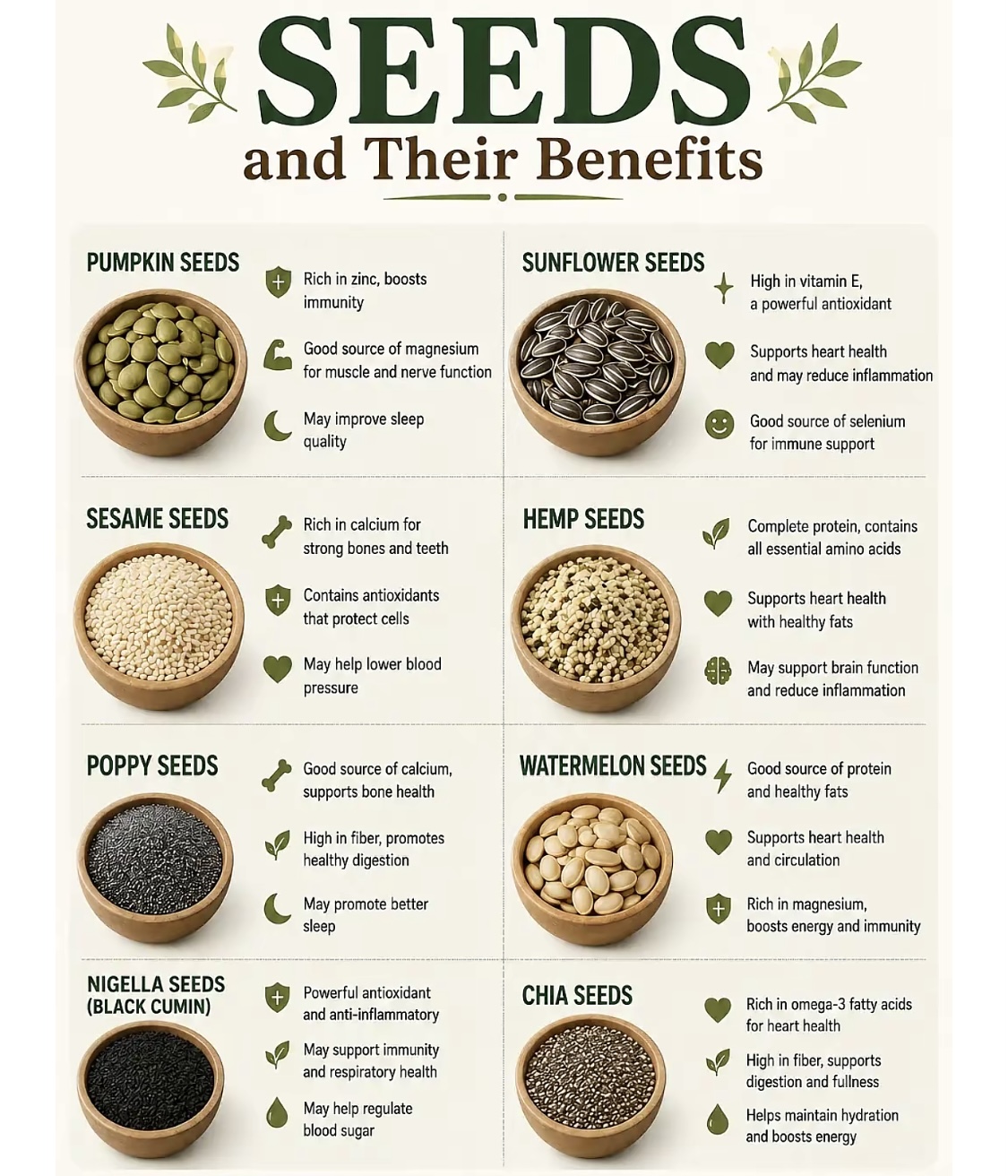
How to Use Seeds for Weight Loss
Seeds are easy to include in your daily meals and can help you stay full for longer thanks to their fiber, protein, and healthy fats. Here’s how to use each type effectively.
1. Chia Seeds
Chia seeds absorb up to 10–12 times their weight in water, creating a gel-like texture that promotes fullness.
How to use:
- Soak 1–2 tablespoons in water or milk for 20–30 minutes to make chia pudding.
- Blend into smoothies.
- Stir into yogurt or oatmeal.
- Sprinkle over fruit or salads.
2. Ground Flax Seeds
Ground flax seeds are easier to digest than whole flax seeds, allowing your body to absorb more nutrients.
How to use:
- Mix 1 tablespoon into smoothies.
- Stir into oatmeal or yogurt.
- Add to pancake or muffin batter.
- Sprinkle over cereal or soups.
3. Hemp Seeds
Hemp seeds have a mild, nutty flavor and are packed with protein.
How to use:
- Sprinkle on salads.
- Add to avocado toast.
- Blend into smoothies.
- Mix into oatmeal or yogurt.
4. Pumpkin Seeds
Pumpkin seeds make a satisfying, crunchy snack that can help reduce cravings.
How to use:
- Eat a small handful (about ¼ cup) as a snack.
- Sprinkle over salads or soups.
- Add to homemade granola or trail mix.
5. Sunflower Seeds
Sunflower seeds are rich in healthy fats and vitamin E.
How to use:
- Sprinkle over salads.
- Add to oatmeal or yogurt.
- Mix into homemade granola.
- Enjoy a small handful as a snack.
Tips for Best Results
- Eat 1–2 tablespoons of seeds daily.
- Drink plenty of water, especially with chia and flax seeds, because they’re high in fiber.
- Pair seeds with protein-rich foods like Greek yogurt, eggs, or smoothies to stay full longer.
- Remember that seeds support weight loss by helping control hunger—they work best alongside a balanced diet and regular physical activity.
With consistent use, seeds can become a simple, nutritious part of a healthy eating plan that supports your weight-loss goals.

A youthful appearance isn’t just about expensive skincare products. The foods you eat every day play a major role in keeping your skin healthy, reducing wrinkles, and slowing signs of aging. Nutrient-rich foods provide vitamins, antioxidants, and healthy fats that support collagen production and protect your skin from damage.
1. Avocados
Avocados are rich in healthy fats and vitamin E, which help keep your skin soft, hydrated, and protected from oxidative damage.
Benefits:
- Moisturizes the skin
- Supports skin elasticity
- Helps reduce dryness
2. Blueberries
Blueberries are packed with antioxidants that help fight free radicals, one of the leading causes of premature aging.
Benefits:
- Protects skin cells
- Promotes a brighter complexion
- Helps reduce fine lines
3. Salmon
Salmon contains omega-3 fatty acids that reduce inflammation and keep your skin smooth and supple.
Benefits:
- Supports collagen production
- Reduces redness
- Keeps skin hydrated
4. Tomatoes
Tomatoes are an excellent source of lycopene, an antioxidant that may help protect your skin from sun-related damage.
Benefits:
- Supports healthy skin
- May help reduce sun damage
- Promotes an even skin tone
5. Leafy Green Vegetables
Spinach, kale, and other leafy greens are rich in vitamins A, C, and K.
Benefits:
- Boost collagen production
- Improve skin repair
- Promote healthy circulation
6. Nuts and Seeds
Almonds, walnuts, chia seeds, and flaxseeds provide vitamin E, zinc, selenium, and healthy fats.
Benefits:
- Help protect skin cells
- Support healthy hair
- Reduce skin dryness
7. Citrus Fruits
Oranges, lemons, grapefruits, and other citrus fruits are excellent sources of vitamin C.
Benefits:
- Supports collagen formation
- Brightens the skin
- Helps wounds heal
8. Sweet Potatoes
Sweet potatoes are rich in beta-carotene, which the body converts into vitamin A.
Benefits:
- Supports skin renewal
- Helps maintain smooth skin
- Contributes to a healthy glow
9. Greek Yogurt
Greek yogurt provides protein and nutrients that support healthy skin.
Benefits:
- Supports tissue repair
- Helps maintain skin structure
- Provides probiotics that may benefit overall health
10. Green Tea
Green tea contains polyphenols, which have antioxidant properties.
Benefits:
- Helps protect skin from oxidative stress
- May reduce inflammation
- Supports overall skin health
Additional Tips for Younger-Looking Skin
- Drink plenty of water throughout the day.
- Eat a balanced diet with a variety of fruits and vegetables.
- Wear sunscreen daily to protect your skin from UV damage.
- Get enough sleep each night.
- Avoid smoking and limit alcohol intake.
- Exercise regularly to improve circulation.
Final Thoughts
No single food can stop aging, but eating a balanced diet rich in fruits, vegetables, healthy fats, lean proteins, and antioxidant-rich foods can help support healthier skin over time. Pairing good nutrition with healthy lifestyle habits is one of the best ways to maintain a youthful appearance.
1. Healthy Nigerian Recipes for Weight LossThis topic focuses on Nigerian meals that support weight loss without removing local favorites. Guest writers can share recipes that are low in oil, balanced with vegetables, high in fiber, and portion-friendly. Examples include: • Oat swallow with okra soup • Moi-moi with vegetables • Grilled fish with plantain • Brown rice and stir-fried veggies • Smoothies made with local fruitsWriters can include step-by-step instructions, calorie estimates, ingredient substitutions, and tips for making traditional meals healthier.⸻2. Best Detox Foods for Liver HealthThis topic allows writers to educate readers about foods that help cleanse and support the liver, one of the body’s most important organs. Writers can explore: • Local detox foods such as ginger, garlic, turmeric, bitter leaf, beetroot, carrots, lemon, and moringa • How these foods help remove toxins • Drinks or smoothies that promote liver wellness • Signs of liver stress • Daily lifestyle habits to reduce liver overloadThis topic attracts health-conscious readers who want natural and affordable ways to keep their bodies functioning well.⸻3. Meal Prep Ideas for Busy WeeksMany Nigerians have tight schedules, so this topic focuses on easy meal prep ideas that save time, reduce stress, and support healthier eating. Contributors can discuss: • How to plan meals for 3–7 days • Meal prep containers and storage tips • Quick breakfast ideas (overnight oats, boiled eggs, muffins) • Lunch and dinner prep (jollof rice portions, grilled chicken, beans and plantain, stir-fried veggies) • How to avoid fast food by preparing meals ahead • Budget-friendly meal prep strategiesThis is a perfect topic for fitness writers, moms, students, and busy professionals.⸻4. Foods That Help with Diabetes ControlSince diabetes is common today, this topic is very helpful for readers who need diet guidance they can trust. Writers can explain: • Nigerian foods with a low glycemic index (e.g., beans, whole grains, unripe plantain, vegetables, nuts) • Foods to avoid or reduce (carbonated drinks, pastries, too much white rice, sugary snacks) • Balanced meal combinations • Portion control • How to read food labels • Simple recipes good for diabetic patientsThis helps families, caregivers, and individuals manage diabetes better with everyday foods.⸻5. Affordable Healthy Eating Tips for NigeriansHealthy eating doesn’t have to be expensive. This topic encourages writers to share practical, low-cost strategies such as: • Buying vegetables in-season • Cooking in bulk • Reducing processed foods • Cheaper protein options (beans, eggs, fish, soya chunks) • Affordable fruit choices • Using local ingredients to make nutritious meals • Budget meal plans for families
Last Updated on July 21, 2026 by Grace Simon

From University Student to Startup Founder: The Journey Behind The College Date

NewsTrump proposes $70,000 fee, $30,000 renewal for Nigerian, other foreign students seeking jobs

The Most Anticipated Games Coming Before the End of 2026

Canada lists 3 work permit requirements for foreign workers

2027: INEC Releases NASS Final List Of Candidates

Boat carrying 267 people capsizes off northern Cyprus

Chelsea sign Argentina’s Goalkeeper Martinez From Villa

APC’s Oyebamiji finally accepts Osun election outcome, congratulates Adeleke after two weeks

Poco Lee’s Management Urges Restraint Over Rape Allegations

Rockstar Games breaks silence on Grand Theft Auto 6 leaks

Cosmetic Products to Avoid After 45 Due to Potential Skin Damage
Essential Guide to Dog Vaccinations: Key Information for Your Pet’s Health.

Top five most expensive bags in the world.

Understanding Postpartum Depression: Effective Strategies for Coping

Beginners makeup process.

Cheap Flight Hacks Airlines Don’t Want You to Know ✈️💸

Stage 1 Dieting Meal Plan for Weight Loss Benefits and Guidelines.

Top Easy Online Jobs You Can Do from Home in 2024.

5 Nutritious Meal Ideas for a Healthy Routine

The Country with the Highest Fluency in English Among Non-Native Speakers.
From University Student to Startup Founder: The Journey Behind The College Date
NewsTrump proposes $70,000 fee, $30,000 renewal for Nigerian, other foreign students seeking jobs
The Most Anticipated Games Coming Before the End of 2026
Cosmetic Products to Avoid After 45 Due to Potential Skin Damage
Essential Guide to Dog Vaccinations: Key Information for Your Pet’s Health.