
News
“Security By Antiquity Why Older Tech is Sometimes Safer From Hackers
The fear of hacking has made some people turn to other forms of technology ignored by new generations of cyber criminals.


You might not expect a world-renowned cyber security expert to rely on old, potentially vulnerable email software. But, for years, that’s what Mikko Hyppönen did. Shunning mainstream options such as Hotmail and Gmail, he instead chose obsolete email software called Eudora.”I used to run it years after it was out of [technical] support,” says Hyppönen, a Finnish computer security expert. He preferred Eudora for various reasons, arguing it was “really superior in many ways”. Although Eudora was far from perfectly secure, as people switched to newer email tools, Hyppönen realised that hackers were forgetting about Eudora.Hyppönen calls it “security by antiquity”. Others use the phrase “security by obsolescence” and in both cases this means relying on an older technology or system since it may prove, somewhat counterintuitively, safer than more recent alternatives.
While Hyppönen stresses that using the latest, fully patched and updated software is still “the optimum situation”, there are specific cases where older tech could be preferable from a security standpoint.”The vast majority of attackers are criminals trying to make money and it doesn’t make any sense for them to target systems being run by 50 people,” he explains.
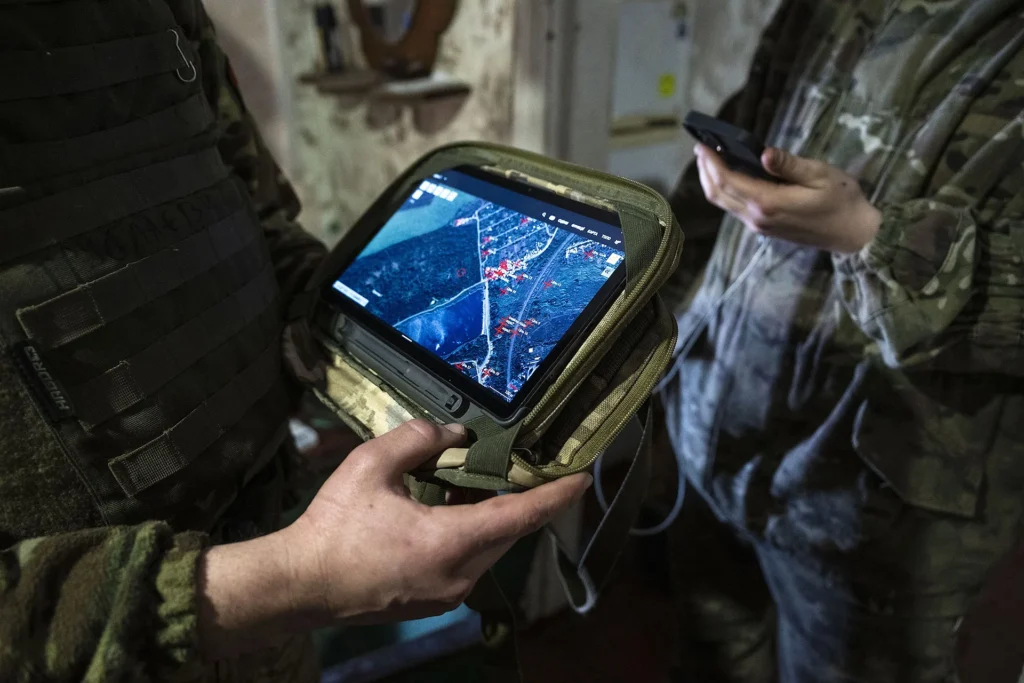
Global positioning system (GPS) handsets like these in use by the Ukrainian armed forces are vulnerable to electronic jamming.
Hyppönen isn’t alone. The Irish Aviation Authority, for instance, recently decided to keep ground-based radio navigation beacons in use because supposedly the more modern satellite-based global positioning system (GPS) has proven so susceptible to jamming in recent years.”Security by antiquity” is, it turns out, a quiet way of beating cyber-criminals, hackers and enemy attackers.Matt Bishop, a computer scientist and professor emeritus at the University of California, Davis, has tested this principle, somewhat by accident. Back in the 1990s, he and his colleagues set up a system connected to the internet and deliberately left it accessible so that they could catch hackers and bots attempting to breach it. This is a common cyber-security research technique known as a honeypot – a kind of trap set up in carefully controlled conditions.But the team picked an older software version for their honeypot that had been upgraded multiple times since its release and, consequently, no hackers bothered to target it. “When we upgraded it to the new one, we had all the attacks we wanted,” recalls Bishop. “I thought it was so amusing.”
This possibility of evading nefarious activity by sticking to old tech can take many forms. Both Bishop and Hyppönen say they have friends who refuse to get a smartphone. “One person I know [uses] a Nokia 9210,” says Hyppönen, referring to a simple, “dumb” mobile phone first released 25 years ago.
As technology has advanced, experts have often questioned whether the latest systems are actually more risky than older ones
While hackers can’t target it in quite the same way they might target a modern Android or iOS device, the phone’s operating system, Symbian, does have some old, known vulnerabilities. The flipside is that “nobody’s targeting them anymore”, adds Hyppönen. Similarly, the Nokia could be more at risk from techniques that snoop on phone calls. But how many people will bother? It’s a security trade-off.
As technology has advanced, experts have often questioned whether the latest systems are actually more risky than older ones. During the late 1990s, Bishop wrote a speech in which he argued that computers were “considerably less secure than the paper systems we still use, and that are rapidly being replaced”.Concerns about the shift from paper to digital technologies remain prevalent, especially when it comes to electronic voting systems. Some say electronic voting machines are desirable partly because they produce election results much more quickly than paper-based systems. That’s not enough to sway others, though.”Voting is the bedrock of our democracy,” says Hyppönen. “It’s one of the last things I’d like to weaken in any way, especially if the benefits are so small.”Militaries are also known for being reluctant to take chances. Even the world’s most active militaries are known to occasionally rely on old technologies for reasons of reliability and security. “One thing I’ve seen in places like Ukraine is the use of paper maps, or laminated maps, and compasses,” says Thomas Withington, associate fellow at the Royal United Services Institute, a think tank. “You can’t jam that.” It’s a kind of “analogue resilience”, he adds.

Concerns over the vulnerability of some electronic voting systems mean many elections are still carried out with paper forms
Jamming attacks hitting GPS-based navigation have forced some countries to make careful choices about which legacy technologies to retain, and which GPS alternatives to invest in, says Victor Tasiemski, a systems engineer at Overlook Systems Technologies, which works on navigation tech.
That’s exactly what happened in Ireland, where a programme to replace ground-based radio beacons has been slowed down in order to keep those beacons operating for longer. A spokeswoman for the Irish Aviation Authority told the Irish Times in June that the beacons were being retained “as part of a planned resilience strategy”.Technologists who work with militaries are familiar with the challenge of designing systems that can link old and new technologies together. Stefan Kraus is co-founder and chief technical officer of Kraus Hamdani Aerospace, which has designed a drone-based communications platform that can connect military personnel to one another, no matter whether they are using older radios or newer ones. Military radio tech that has been around for decades is “tried, tested and secure”, he says. “The US military isn’t going away from that.”
Last Updated on August 24, 2026 by Grace Simon

News
NewsTrump proposes $70,000 fee, $30,000 renewal for Nigerian, other foreign students seeking jobs

The United States Department of Homeland Security, DHS, has proposed a $70,000 fee for international students seeking to participate in the country’s Optional Practical Training, OPT, programme.
The proposal is part of the latest efforts by President Donald Trump’s administration to tighten regulations surrounding foreign students and immigration.
Under the proposed rule, educational institutions would be required to pay $70,000 for each international student’s initial OPT application and $30,000 for every renewal.
The OPT programme allows eligible international students to gain temporary work experience in the United States in jobs related to their fields of study.
International students are generally eligible to work for up to one year after completing their studies through the programme, while graduates in certain science, technology, engineering and mathematics, STEM, fields can qualify for an additional two years.
The proposed fees could significantly affect Nigerian students and other international students who rely on OPT to gain professional experience in the United States after graduation.
American universities also depend heavily on international students, including Nigerians and students from other countries, for tuition revenue.
Meanwhile, technology companies and other businesses rely on international graduates to fill specialised and technical positions.
Fanta Aw, CEO of NAFSA, an association representing international education, said OPT provides international students with practical experience while helping employers address labour shortages, particularly in STEM-related fields.
“Driving away the talents, perspectives, and aspirations of international students will only hurt American innovation, economic growth, workforce development, and global leadership,” Aw said in a written statement.
FOR MORE UPDATES FROM #gracynews FOLLOW US ON OUR SOCIAL MEDIA PLATFORMS
Last Updated on October 8, 2026 by Grace Simon

The Most Anticipated Games Coming Before the End of 2026
2026 is shaping up to be an exciting year for gamers, with several highly anticipated titles expected to arrive before the year comes to an end. From action-packed adventures to racing, sports and role-playing games, players have plenty to look forward to.
Here are some of the games generating excitement among gamers:
1. Grand Theft Auto VI
Grand Theft Auto VI remains one of the biggest and most anticipated games in the world. Developed by Rockstar Games, the title returns players to Vice City and introduces protagonists Lucia and Jason.
The game is expected to deliver a huge open-world experience filled with missions, crime, exploration and Rockstar’s signature storytelling.
2. Resident Evil Requiem
For horror fans, Resident Evil Requiem is one of the major titles to watch. The game continues Capcom’s famous survival-horror franchise and promises an intense experience filled with mystery, danger and terrifying enemies.
Players can expect a combination of exploration, action and horror as they attempt to survive another nightmare.
3. The Witcher 4
CD Projekt Red’s The Witcher 4 is another highly anticipated title. The game is expected to begin a new chapter in The Witcher universe while continuing the series’ tradition of massive open-world exploration and deep storytelling.
Although fans are still waiting for more information, anticipation surrounding the game remains extremely high.
4. Marvel 1943: Rise of Hydra
Marvel fans have another major game to look forward to with Marvel 1943: Rise of Hydra.
Set during World War II, the action-adventure title brings together Captain America and Black Panther in a story involving Hydra. The combination of Marvel characters, cinematic storytelling and action has made it one of the games fans are watching closely.
5. Fable
The return of Fable has generated significant excitement among RPG fans. The new title is being developed by Playground Games and is set to bring players back into the magical world of Albion.
The game is expected to combine fantasy, humor, exploration and player choices in a new adventure.
6. Pragmata
Capcom’s Pragmata is another interesting title attracting attention. The game is set in a mysterious futuristic world and follows a space-suited protagonist alongside a young girl named Diana.
With its unusual science-fiction setting and mysterious storyline, Pragmata could become one of the year’s most memorable releases.
7. Pokémon Winds
Pokémon remains one of the biggest gaming franchises, and Pokémon Winds is expected to attract huge attention from fans.
The game is anticipated to introduce new Pokémon adventures, characters and gameplay elements while maintaining the franchise’s familiar appeal.
8. Crimson Desert
Crimson Desert is an ambitious open-world action-adventure game that has attracted attention for its impressive visuals and large-scale world.
Players will explore the continent of Pywel while following Kliff, a warrior caught in a dangerous struggle for survival and power.
9. The Blood of Dawnwalker
The Blood of Dawnwalker is an upcoming dark-fantasy RPG that has generated interest among fans of story-driven games.
The title promises a dark world filled with supernatural elements, difficult choices and intense combat, making it one to watch for players who enjoy fantasy adventures.
10. The Alters
The Alters offers something different from traditional action games. The sci-fi survival game focuses on a character who creates different versions of himself to survive on a dangerous alien planet.
Its unique concept and psychological storyline have helped make it one of the more unusual games on the upcoming release list.
Last Updated on October 8, 2026 by Grace Simon

Canada has reminded foreign workers in the country of key requirements they must follow to ensure they continue working legally.
Immigration, Refugees and Citizenship Canada (IRCC) said having a valid work permit is the first step to working legally in Canada.
The department shared the reminder in a post on its official social media account, urging foreign workers to understand the conditions attached to their permits and take action when their circumstances change.
According to IRCC, foreign workers should take the following three steps:
1. Understand the conditions on your work permit
Foreign workers are expected to understand and comply with the conditions listed on their work permits.
These conditions may determine what type of work they can do and other requirements attached to their authorisation to work in Canada.
2. Apply to extend your work permit before it expires
IRCC advised foreign workers who need to continue working in Canada to apply for an extension at least 30 days before their current work permit expires.
Workers should check the expiry date on their permit and make the necessary application early to avoid complications.
3. Apply to change your work permit conditions when necessary
Foreign workers whose circumstances require different work conditions should apply to have their permit conditions changed.
IRCC stressed that workers should ensure their work permits accurately reflect the conditions under which they are authorised to work.
The department’s reminder highlights the importance of maintaining valid work authorisation and complying with the conditions attached to a Canadian work permit.
Foreign workers are encouraged to review their permits regularly and take the necessary steps before their documents expire or their circumstances change.
FOR MORE UPDATES FROM #gracynews FOLLOW US ON OUR SOCIAL MEDIA PLATFORMS
Last Updated on September 13, 2026 by Grace Simon

From University Student to Startup Founder: The Journey Behind The College Date

NewsTrump proposes $70,000 fee, $30,000 renewal for Nigerian, other foreign students seeking jobs

The Most Anticipated Games Coming Before the End of 2026

Canada lists 3 work permit requirements for foreign workers

2027: INEC Releases NASS Final List Of Candidates

Boat carrying 267 people capsizes off northern Cyprus

Chelsea sign Argentina’s Goalkeeper Martinez From Villa

APC’s Oyebamiji finally accepts Osun election outcome, congratulates Adeleke after two weeks

Poco Lee’s Management Urges Restraint Over Rape Allegations

Rockstar Games breaks silence on Grand Theft Auto 6 leaks

Cosmetic Products to Avoid After 45 Due to Potential Skin Damage
Essential Guide to Dog Vaccinations: Key Information for Your Pet’s Health.

Top five most expensive bags in the world.

Understanding Postpartum Depression: Effective Strategies for Coping

Beginners makeup process.

Stage 1 Dieting Meal Plan for Weight Loss Benefits and Guidelines.

Cheap Flight Hacks Airlines Don’t Want You to Know ✈️💸

Top Easy Online Jobs You Can Do from Home in 2024.

5 Nutritious Meal Ideas for a Healthy Routine

The Country with the Highest Fluency in English Among Non-Native Speakers.
From University Student to Startup Founder: The Journey Behind The College Date
NewsTrump proposes $70,000 fee, $30,000 renewal for Nigerian, other foreign students seeking jobs
The Most Anticipated Games Coming Before the End of 2026
Cosmetic Products to Avoid After 45 Due to Potential Skin Damage
Essential Guide to Dog Vaccinations: Key Information for Your Pet’s Health.