
Health
how to cope with mental and emotional health breakdown.


Here are some effective strategies to cope with a mental and emotional health breakdown:
Seek Professional Help
Consult a mental health professional like a therapist or counselor who can help you identify the root causes of your breakdown and develop a treatment plan
Cognitive-behavioral therapy (CBT) is particularly effective for reframing negative thought patterns and promoting healthy coping behaviors
Practice Relaxation Techniques
Engage in relaxation practices like deep breathing, meditation, yoga, guided imagery, and progressive muscle relaxation to reduce stress and anxiety
Mindfulness meditation helps you be fully present and engaged, reducing symptoms of stress, anxiety and depression
Make Lifestyle Changes
Prioritize getting enough sleep, eating a balanced diet, and regular exercise to support your overall mental health
Avoid stimulating substances like caffeine and alcohol which can worsen symptoms
Practice good sleep hygiene like maintaining a consistent sleep schedule and limiting screen time before bed
Develop Healthy Coping Strategies
Identify your emotional triggers and practice cognitive reframing to challenge negative thought patterns
Use positive affirmations to improve your outlook and approach challenges with positivity
Engage in hobbies and activities you enjoy to boost motivation, self-esteem and creativity
Build a Support System
Reach out to trusted friends and family for emotional support and fresh perspectives
Set boundaries to protect your emotional energy and avoid taking on additional responsibilities when feeling overwhelmed
Join a support group to connect with others going through similar experiences
Manage Stress
Identify major stressors in your life and take steps to reduce or avoid them
Create a healthy work-life balance and set boundaries to prevent burnout
Prioritize stress-reducing activities like exercise, hobbies, and relaxation techniques
Remember, recovering from a mental health breakdown is a journey. Be patient with yourself, celebrate small victories, and don’t hesitate to seek professional help when needed. With the right support and coping strategies, you can navigate this challenge and emerge stronger.
Last Updated on September 6, 2024 by Grace Simon

A youthful appearance isn’t just about expensive skincare products. The foods you eat every day play a major role in keeping your skin healthy, reducing wrinkles, and slowing signs of aging. Nutrient-rich foods provide vitamins, antioxidants, and healthy fats that support collagen production and protect your skin from damage.
1. Avocados
Avocados are rich in healthy fats and vitamin E, which help keep your skin soft, hydrated, and protected from oxidative damage.
Benefits:
- Moisturizes the skin
- Supports skin elasticity
- Helps reduce dryness
2. Blueberries
Blueberries are packed with antioxidants that help fight free radicals, one of the leading causes of premature aging.
Benefits:
- Protects skin cells
- Promotes a brighter complexion
- Helps reduce fine lines
3. Salmon
Salmon contains omega-3 fatty acids that reduce inflammation and keep your skin smooth and supple.
Benefits:
- Supports collagen production
- Reduces redness
- Keeps skin hydrated
4. Tomatoes
Tomatoes are an excellent source of lycopene, an antioxidant that may help protect your skin from sun-related damage.
Benefits:
- Supports healthy skin
- May help reduce sun damage
- Promotes an even skin tone
5. Leafy Green Vegetables
Spinach, kale, and other leafy greens are rich in vitamins A, C, and K.
Benefits:
- Boost collagen production
- Improve skin repair
- Promote healthy circulation
6. Nuts and Seeds
Almonds, walnuts, chia seeds, and flaxseeds provide vitamin E, zinc, selenium, and healthy fats.
Benefits:
- Help protect skin cells
- Support healthy hair
- Reduce skin dryness
7. Citrus Fruits
Oranges, lemons, grapefruits, and other citrus fruits are excellent sources of vitamin C.
Benefits:
- Supports collagen formation
- Brightens the skin
- Helps wounds heal
8. Sweet Potatoes
Sweet potatoes are rich in beta-carotene, which the body converts into vitamin A.
Benefits:
- Supports skin renewal
- Helps maintain smooth skin
- Contributes to a healthy glow
9. Greek Yogurt
Greek yogurt provides protein and nutrients that support healthy skin.
Benefits:
- Supports tissue repair
- Helps maintain skin structure
- Provides probiotics that may benefit overall health
10. Green Tea
Green tea contains polyphenols, which have antioxidant properties.
Benefits:
- Helps protect skin from oxidative stress
- May reduce inflammation
- Supports overall skin health
Additional Tips for Younger-Looking Skin
- Drink plenty of water throughout the day.
- Eat a balanced diet with a variety of fruits and vegetables.
- Wear sunscreen daily to protect your skin from UV damage.
- Get enough sleep each night.
- Avoid smoking and limit alcohol intake.
- Exercise regularly to improve circulation.
Final Thoughts
No single food can stop aging, but eating a balanced diet rich in fruits, vegetables, healthy fats, lean proteins, and antioxidant-rich foods can help support healthier skin over time. Pairing good nutrition with healthy lifestyle habits is one of the best ways to maintain a youthful appearance.
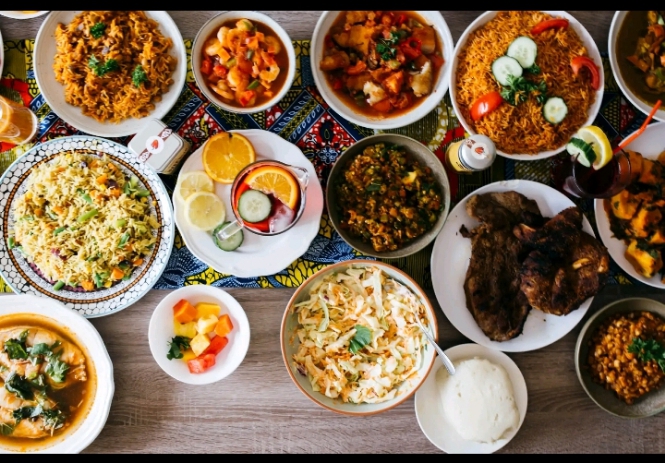
1. Healthy Nigerian Recipes for Weight LossThis topic focuses on Nigerian meals that support weight loss without removing local favorites. Guest writers can share recipes that are low in oil, balanced with vegetables, high in fiber, and portion-friendly. Examples include: • Oat swallow with okra soup • Moi-moi with vegetables • Grilled fish with plantain • Brown rice and stir-fried veggies • Smoothies made with local fruitsWriters can include step-by-step instructions, calorie estimates, ingredient substitutions, and tips for making traditional meals healthier.⸻2. Best Detox Foods for Liver HealthThis topic allows writers to educate readers about foods that help cleanse and support the liver, one of the body’s most important organs. Writers can explore: • Local detox foods such as ginger, garlic, turmeric, bitter leaf, beetroot, carrots, lemon, and moringa • How these foods help remove toxins • Drinks or smoothies that promote liver wellness • Signs of liver stress • Daily lifestyle habits to reduce liver overloadThis topic attracts health-conscious readers who want natural and affordable ways to keep their bodies functioning well.⸻3. Meal Prep Ideas for Busy WeeksMany Nigerians have tight schedules, so this topic focuses on easy meal prep ideas that save time, reduce stress, and support healthier eating. Contributors can discuss: • How to plan meals for 3–7 days • Meal prep containers and storage tips • Quick breakfast ideas (overnight oats, boiled eggs, muffins) • Lunch and dinner prep (jollof rice portions, grilled chicken, beans and plantain, stir-fried veggies) • How to avoid fast food by preparing meals ahead • Budget-friendly meal prep strategiesThis is a perfect topic for fitness writers, moms, students, and busy professionals.⸻4. Foods That Help with Diabetes ControlSince diabetes is common today, this topic is very helpful for readers who need diet guidance they can trust. Writers can explain: • Nigerian foods with a low glycemic index (e.g., beans, whole grains, unripe plantain, vegetables, nuts) • Foods to avoid or reduce (carbonated drinks, pastries, too much white rice, sugary snacks) • Balanced meal combinations • Portion control • How to read food labels • Simple recipes good for diabetic patientsThis helps families, caregivers, and individuals manage diabetes better with everyday foods.⸻5. Affordable Healthy Eating Tips for NigeriansHealthy eating doesn’t have to be expensive. This topic encourages writers to share practical, low-cost strategies such as: • Buying vegetables in-season • Cooking in bulk • Reducing processed foods • Cheaper protein options (beans, eggs, fish, soya chunks) • Affordable fruit choices • Using local ingredients to make nutritious meals • Budget meal plans for families
Last Updated on July 21, 2026 by Grace Simon
- Healthy Nigerian Recipes for Weight Loss
This topic focuses on local meals that support weight loss without removing traditional tastes. Writers can share recipes that are low in oil, high in vegetables, rich in fiber, and portion-friendly. They may include:
• Oat swallow with okra soup
• Moi-moi with veggies
• Grilled fish and plantain
• Brown rice with stir-fried vegetables
• Healthy smoothie blends
Guest writers should provide step-by-step recipes, ingredient swaps, healthier cooking tips, and calorie-conscious suggestions.
⸻
- Best Detox Foods for Liver Health
This topic invites writers to explore natural foods that cleanse and support the liver, one of the body’s most vital organs. They can discuss:
• Ginger, garlic, turmeric
• Bitter leaf, moringa, beetroot
• Lemon water
• Carrot and green vegetable juices
Writers should explain how these foods help remove toxins, support digestion, improve energy levels, and promote overall wellness. They can also add daily lifestyle habits for liver protection.
⸻
- Meal Prep Ideas for Busy Weeks
This topic helps readers create simple, time-saving meal routines that keep them healthy even on busy days. Writers can talk about:
• Planning meals for 3–7 days
• The best containers for storage
• Quick breakfast meal prep ideas
• Lunch and dinner portions like beans, jollof rice, grilled chicken, veggies
• How meal prep reduces stress and saves money
This topic is ideal for fitness lovers, students, working moms, and busy professionals.
⸻
- Foods That Help with Diabetes Control
A highly valuable topic that allows writers to explain Nigerian foods that support blood sugar control. They can cover:
• Low glycemic foods (beans, whole grains, vegetables, unripe plantain)
• Foods to reduce or avoid (soft drinks, pastries, sugary snacks)
• Plate portioning for diabetics
• Simple, safe recipes
• How to combine meals to avoid sugar spikes
This topic is always in high demand because many readers seek trusted health information.
⸻
- Affordable Healthy Eating Tips for Nigerians
This topic focuses on simple, budget-friendly ways to eat healthier without spending too much. Writers can include:
• Buying vegetables in-season
• Cheaper protein sources (beans, eggs, fish, soy chunks)
• Preparing meals in bulk
• Reducing processed foods
• Budget-friendly meal plans for families
• Using more local ingredients

Pretty Girl Guide.

Top Airlines Offering Summer 2026 Travel Deals

Top 10 Hidden Lessons Everyone Learned From the 2026 FIFA World Cup

The Best Budget Travel Destinations for 2026

Foods That Keep You Young

Summer 2026 Travel Hacks: 12 Smart Ways to Save

Players Who Made History at the 2026 FIFA World Cup: Records, Recognition.

5 Mind-Blowing Technology Discoveries Changing the World in 2026

The Girl I Once Imagined

Top 10 Cryptocurrencies for 24-Hour Trading: The Best Coins for Short-Term Profits

Cosmetic Products to Avoid After 45 Due to Potential Skin Damage
Essential Guide to Dog Vaccinations: Key Information for Your Pet’s Health.

Top five most expensive bags in the world.

Understanding Postpartum Depression: Effective Strategies for Coping

Stage 1 Dieting Meal Plan for Weight Loss Benefits and Guidelines.

Beginners makeup process.

5 Nutritious Meal Ideas for a Healthy Routine

Top Easy Online Jobs You Can Do from Home in 2024.

Every Morning, I Take a Ginger Shot—Here’s Why

The Country with the Highest Fluency in English Among Non-Native Speakers.
Pretty Girl Guide.
Top Airlines Offering Summer 2026 Travel Deals
Top 10 Hidden Lessons Everyone Learned From the 2026 FIFA World Cup
Cosmetic Products to Avoid After 45 Due to Potential Skin Damage
Essential Guide to Dog Vaccinations: Key Information for Your Pet’s Health.